Rural Development and Relief
To drive holistic rural transformation, poverty eradication, and disaster resilience by strengthening grassroots NGOs, mobilizing Self-Help Groups (SHGs), connecting rural economies to global markets and technology, deve…
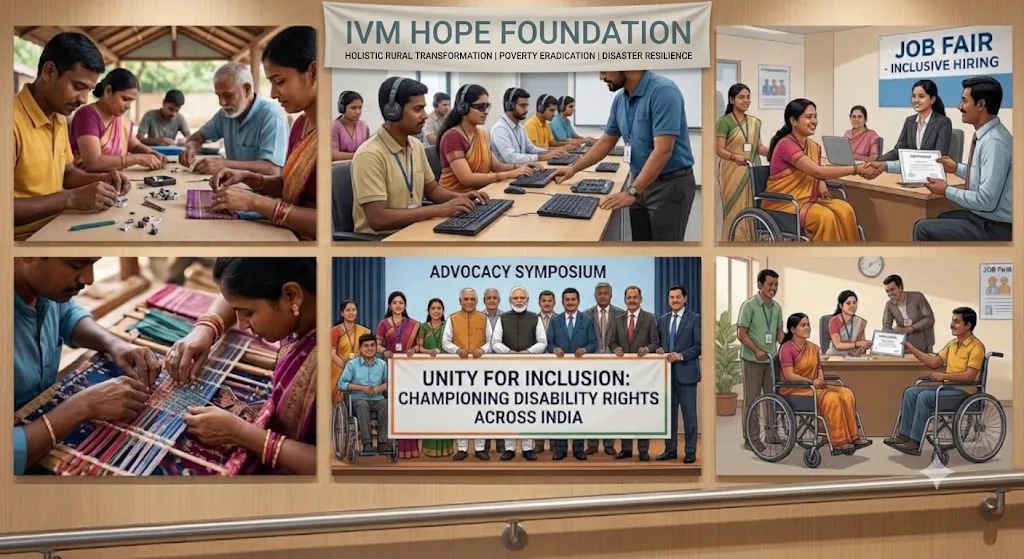
1. To eliminate thirst, hunger, ignorance, disease, and poverty, and foster coordination, partnership, and synergy across rural sectors to provide housing and livelihoods for rural populations.
2. To assist and guide members in obtaining financial and technical assistance for rural development programmes from Governments, corporate sectors, NRIs, and multilateral international agencies like the World Bank, UNDP, ADB, etc.
3. To serve as an intermediary, monitoring, and advisory platform for executing large-scale and multi-disciplinary geographical development programmes.
4. To evaluate the institutional capacities and quality of member NGOs, carry out periodic reviews, and support their capacity building to maximize their contribution to rural India.
5. To implement integrated rural economic programmes, connect rural economies with global technology, capital, and markets, and establish commodity technology and rural stock exchanges for this purpose.
6. To mobilize and nurture Self-Help Groups (SHGs) of small and marginal farmers, rural artisans, labourers, and specifically women, youth, and persons with disabilities to accelerate rural growth.
7. To collaborate with professionals, researchers, social scientists, technocrats, and agronomists to frame policy proposals on rural development and seek representation on state, national, and international committees.
8. To act as an advocacy forum to raise issues concerning the Right to Information (RTI), transparency, and public interest before appropriate authorities.
9. To maintain a central resource pool of legal, technical, financial, managerial, subsidy, IPR, GI (Geographical Indications), plant variety protection, and environmental experts to advise stakeholders.
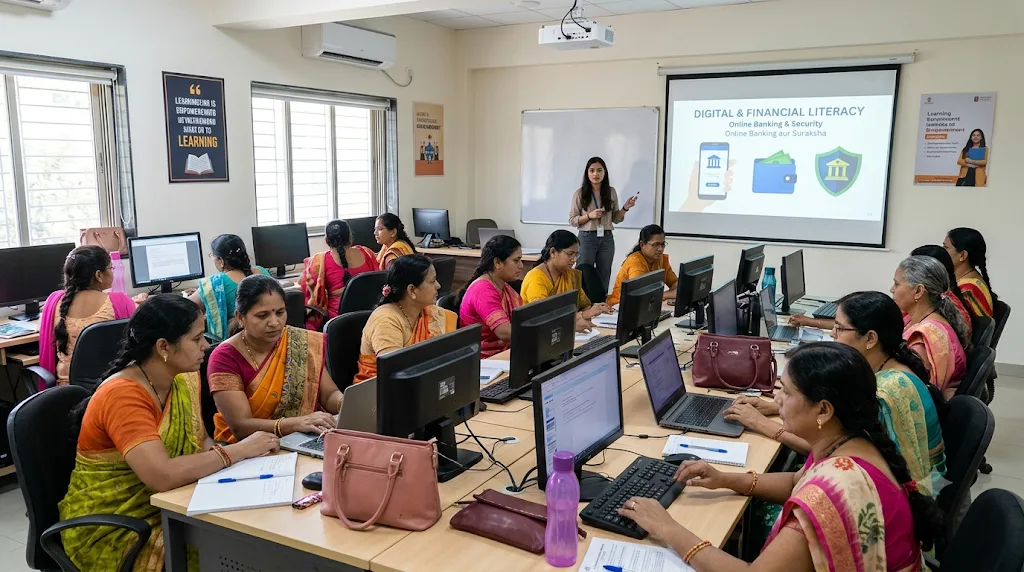
10. To organize training programmes, entrepreneurship development programmes (EDP), workshops, lectures, and seminars for voluntary organization functionaries, volunteers, and target beneficiaries.
11. To identify, develop, and disseminate appropriate technologies, facilitate technology transfer from national/international bodies, and provide ancillary support services to members.
12. To participate in, organize, and publicize international and regional conventions, seminars, conferences, exhibitions, and fairs.
13. To undertake studies, collect data, analyze, and disseminate information on matters of public interest directly or indirectly.
14. To provide monetary or in-kind assistance and relief to the poor, destitute, and widows.
15. To design, support, and implement sustainable livelihood and welfare schemes for the underprivileged.
16. To provide monetary and material aid to people and animals affected by natural and man-made disasters such as floods, fires, droughts, cyclones, earthquakes, lightning strikes, accidents, epidemics, and severe cost of living crises, and to donate to organizations engaged in relief operations.
17. To initiate, manage, and assist rescue and relief operations in areas affected by natural calamities.
18. To construct, repair, and maintain wells, tube-wells, ponds, water reservoirs, roads, bridges, drainage channels, and undertake afforestation for public utility.
19. To distribute dhotis, blankets, clothes, cotton/woolen/silk garments, quilts, and essential daily commodities to the needy.
20. To construct and manage auditoriums, community meeting halls, and welfare centres for public social welfare activities and gatherings.
21. To establish, maintain, and manage Dharamshalas (guest houses), wells, deep borewells, ponds, roads, etc., for public convenience.
22. To encourage, assist, and provide financial grants to any individual, institution, body, or organization with charitable and welfare aims.
23. To restore and renovate damaged temples, gurudwaras, mosques, churches, etc., and organize religious congregations and peace rallies for communal harmony and societal well-being.
24. To renovate and restore ancient temples, mosques, gurudwaras, churches, or places of worship notified by the Central Government via Gazette Notification as places of historical, archaeological, artistic importance, or renowned public worship.